





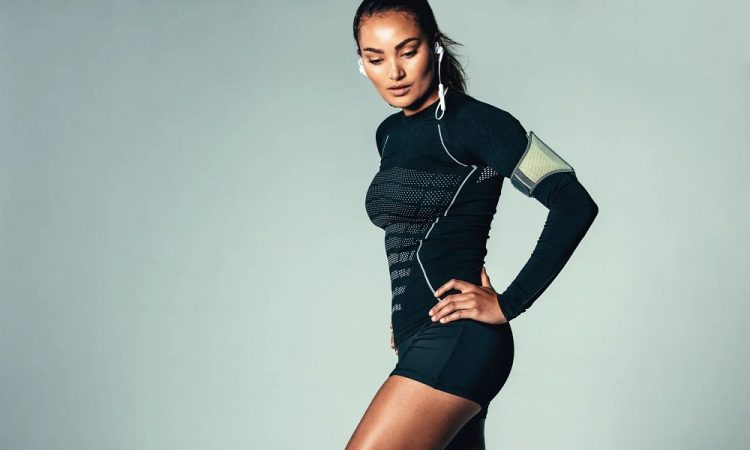
Athletic apparel has evolved far beyond basic comfort and durability. Today, smart fabrics are reshaping how sportswear is designed, manufactured, and used by athletes at every level. These advanced textiles combine material science, wearable technology, and performance engineering to create garments that respond to the body and environment in real time.
Instead of functioning as passive layers, modern athletic garments made with smart fabrics actively support movement, regulate temperature, monitor performance, and enhance recovery. As innovation accelerates, smart textiles are becoming a central component of next-generation sportswear design.
What Are Smart Fabrics in Athletic Apparel
Smart fabrics are textiles engineered to sense, react, or adapt to physical conditions such as temperature, moisture, movement, or biometric signals. Unlike traditional materials, they offer functionality beyond protection and aesthetics.
Smart fabrics generally fall into three categories:
- Passive smart fabrics that provide moisture control or UV protection
- Active smart fabrics that respond to environmental changes
- Ultra smart fabrics that integrate electronics and sensors
These materials allow designers to create apparel that improves athletic efficiency and comfort during training and competition.
Enhancing Performance Through Biometric Monitoring
One of the most impactful contributions of smart fabrics is their ability to track physiological activity without requiring external devices. Embedded sensors within garments can capture performance metrics directly from the athlete’s body.
Examples of biometric monitoring include:
- Heart rate tracking
- Muscle activation measurement
- Breathing patterns
- Body temperature changes
- Posture alignment
This continuous stream of data helps athletes optimize training routines and prevent overexertion. Designers now consider sensor placement as part of garment architecture rather than an afterthought.
Improving Moisture Management and Breathability
Moisture control remains a fundamental requirement in athletic apparel. Smart fabrics improve this capability through advanced fiber structures and responsive textile coatings.
Modern moisture-management technologies allow fabrics to:
- Pull sweat away from the skin quickly
- Accelerate evaporation rates
- Maintain lightweight comfort during intense activity
- Prevent overheating during endurance training
Designers increasingly rely on engineered yarn structures that balance airflow and insulation simultaneously.
Supporting Temperature Regulation in Dynamic Environments
Temperature adaptation is essential for athletes who train across changing climates and conditions. Smart textiles now adjust insulation levels based on body heat and surrounding temperature.
These adaptive fabrics can:
- Retain warmth during cold exposure
- Release excess heat during high exertion
- Stabilize body temperature during recovery periods
This capability reduces fatigue and improves endurance by maintaining optimal thermal balance throughout activity.
Integrating Motion Responsiveness Into Garment Construction
Athletic apparel must move seamlessly with the body. Smart fabrics are designed with stretch-responsive structures that adjust tension based on movement intensity.
Motion-responsive textiles help:
- Reduce muscle vibration
- Support joint stability
- Improve flexibility during high-impact activity
- Maintain garment shape during repeated motion cycles
This shift from static fabric construction to dynamic movement support is influencing how designers approach pattern engineering and fit.
Enabling Injury Prevention Through Compression Intelligence
Compression garments have long been used to enhance circulation and recovery. Smart fabrics take this concept further by delivering targeted compression that adapts to activity levels.
Advanced compression textiles can:
- Improve blood flow efficiency
- Reduce muscle fatigue
- Stabilize key muscle groups
- Support recovery after training sessions
Designers now integrate compression mapping directly into garment panels for sport-specific performance enhancement.
Enhancing Athlete Safety With Environmental Awareness Features
Athletes training outdoors face exposure to varying environmental risks. Smart fabrics are helping designers incorporate protective capabilities directly into sportswear.
Protective textile innovations include:
- UV exposure monitoring
- Reflective visibility technology
- Pollution-sensitive fibers
- Impact detection sensors
These features improve athlete awareness and safety without adding bulky accessories.
Supporting Data-Driven Training Ecosystems
Smart fabrics allow athletic apparel to function as part of connected training systems. Instead of relying solely on wearable devices such as wrist trackers, garments themselves become performance monitoring platforms.
Connected apparel can:
- Sync with fitness applications
- Transmit real-time biometric feedback
- Store performance history
- Support coaching analysis remotely
Designers now collaborate closely with software developers to ensure garments integrate smoothly with digital training environments.
Advancing Sustainable Innovation in Sportswear Materials
Sustainability is becoming a major priority in apparel manufacturing. Smart fabric development increasingly focuses on combining performance with environmental responsibility.
Recent sustainable smart textile innovations include:
- Recycled performance fibers
- Biodegradable sensor integration layers
- Energy-efficient production methods
- Durable materials that extend garment lifespan
These improvements allow brands to deliver advanced performance features while reducing environmental impact.
Transforming Athlete Experience Through Personalized Apparel Design
Smart fabrics are enabling a shift toward personalized athletic apparel that responds to individual performance needs. Designers can now create garments tailored to specific body mechanics and sport requirements.
Personalization benefits include:
- Sport-specific compression mapping
- Climate-responsive material layering
- Athlete-specific motion support zones
- Custom performance monitoring integration
This approach improves comfort, efficiency, and long-term usability across training environments.
Influencing the Future Direction of Athletic Apparel Innovation
Smart textiles continue to redefine expectations in sportswear design. As sensor miniaturization and textile engineering progress further, garments will become even more adaptive and intelligent.
Future innovations are expected to include:
- Self-adjusting fit systems
- Energy harvesting fabrics
- Real-time fatigue detection textiles
- Recovery-supporting therapeutic materials
These developments will strengthen the connection between apparel design and athletic performance science.
Frequently Asked Questions
1. What industries are driving innovation in smart fabric development for athletic apparel
Material science laboratories, wearable technology companies, sports performance institutes, and apparel manufacturers are working together to accelerate smart textile innovation.
2. Are smart fabrics suitable for everyday fitness users or only professional athletes
Smart fabrics are increasingly available in consumer-level sportswear, making performance-enhancing features accessible to recreational fitness users as well as professionals.
3. How durable are garments made with embedded textile sensors
Most modern smart textile sensors are designed to withstand repeated washing cycles and stretching without losing functionality when handled according to care instructions.
4. Do smart fabric garments require charging like wearable devices
Some sensor-enabled garments include rechargeable components, while others rely on passive textile technologies that function without electronic power sources.
5. Can smart athletic apparel integrate with existing fitness tracking platforms
Many smart garments are designed to connect with mobile fitness applications and cloud-based training platforms through wireless communication systems.
6. Are smart fabrics heavier than traditional athletic materials
Most smart textiles are engineered to remain lightweight and flexible so they maintain comfort during extended training sessions.
7. What skills do apparel designers need to work with smart textile technologies
Designers working with smart fabrics often benefit from knowledge of textile engineering, wearable electronics integration, ergonomics, and digital performance analytics systems.

How Data Analytics Improves Demand Forecasting In Apparel Retail
Demand forecasting has always been a critical challenge in apparel retail. Unlike many other industries, fashion operates in an environment...
Style Guide for Women’s Fashion
Are you contemplating upgrading your present closet with new colors, fashion apparel and classy accessories? If that's the case, you have to be very creative. You are able to have fun with colors, make different outfit combinations and blend your accessories to produce exciting clothing styles. Following a latest the latest fashions and purchasing some stylish apparel and accessories will make a superstar within the world of fashion. Let us learn how it's possible. Highlight Your Outfits with Accessories Incorporating bold accessories right into a simple ensemble is a terrific...
Top Quality Designer Apparel and Fashion
Forever of your time, individuals have been drawn to getting about a general change in the society and seeking out something totally new. Designers happen to be famous because the past 220 years, however their importance is continuing to grow more previously couple of years due to the sudden rise from the fashion industry, and also the media has greater than performed its part in escalating the style industry towards the summit. Ladies who are big on socializing and like likely to parties and processes every evening will likely go...
Steamed Made of woll Fashion Apparel – Strategies for Cleaning Your Designer Jackets and Jackets
With steamed made of woll fabric becoming more and more famous designer jackets, jackets and vests, it is usually best to consult the concern instructions around the label of the specific outfit. However, without having these instructions, here are a few tips that could bare this unique apparel in tip-top condition: Avoid using extensive dry cleaning in your outfit. The made of woll contains skin oils that safeguard the fiber. The tough dry cleaning chemicals can break lower these oils and also over time can diminish the elegant luster of...