





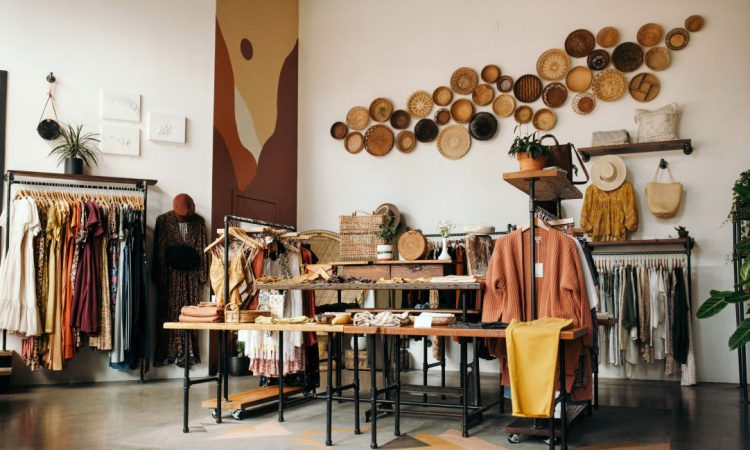
Independent boutique retailers occupy a distinctive space in the global retail landscape. While large chains focus on scale and efficiency, boutiques succeed by offering curated selections, personal engagement, and meaningful brand identity. Their strength lies not in volume but in relevance, originality, and community connection.
Across regions and product categories, independent boutiques continue to attract loyal customers because they deliver experiences that mass-market retail formats cannot easily replicate.
Understanding the Role of Independent Boutique Retailers
Independent boutique retailers are typically small to mid-sized businesses that specialize in carefully selected merchandise tailored to a defined audience. Unlike large-format stores, boutiques prioritize quality, uniqueness, and storytelling over standardized inventory models.
Their positioning often reflects:
- Strong brand personality
- Local cultural influence
- Carefully curated product assortments
- Direct relationships with designers or makers
This approach allows boutiques to maintain a distinctive identity in competitive retail environments.
Curated Product Selection Creates Differentiation
One of the strongest advantages boutique retailers hold is their ability to curate rather than simply stock inventory. Instead of offering broad assortments across categories, boutiques select products with intention.
Curated retail strategies typically include:
- Limited edition merchandise
- Emerging designer collections
- Artisan-made products
- Regionally inspired goods
- Hard-to-find specialty items
Customers often view boutiques as discovery destinations rather than transactional shopping spaces.
Personalised Customer Experience Builds Loyalty
Independent boutiques often deliver a level of service that larger retailers struggle to match. Because store teams interact closely with customers, they develop familiarity with preferences and purchase behavior.
Personalized service may include:
- Styling assistance tailored to individual tastes
- Flexible product recommendations
- Direct communication about new arrivals
- Custom ordering support
This relationship-driven retail model strengthens long-term customer loyalty.
Strong Community Connection Enhances Brand Trust
Boutique retailers frequently operate as active participants within their local communities. Their visibility extends beyond commercial activity into cultural engagement and neighborhood identity.
Community-driven retail presence often includes:
- Collaborations with local creators
- Participation in regional events
- Support for small-scale producers
- Hosting in-store experiences
These efforts strengthen trust and encourage repeat engagement from customers who value local business ecosystems.
Storytelling Strengthens Emotional Engagement
Customers increasingly look for authenticity in their shopping experiences. Independent boutiques are well positioned to communicate meaningful stories behind their products and brand identity.
Story-driven merchandising highlights:
- Designer inspiration
- Craftsmanship processes
- Material sourcing journeys
- Cultural influences behind collections
Storytelling transforms purchases into experiences rather than transactions.
Agile Merchandising Enables Faster Trend Response
Independent retailers often adapt more quickly than larger organizations because they operate with shorter decision cycles and fewer structural constraints.
This agility allows boutiques to:
- Introduce new products faster
- Respond quickly to shifting consumer preferences
- Test experimental merchandise categories
- Adjust inventory based on real-time feedback
Speed of response helps boutiques remain relevant in fast-moving retail sectors such as fashion and lifestyle goods.
Supporting Emerging Designers and Creative Talent
Boutiques frequently act as entry points for emerging designers who may not yet have access to large retail distribution networks. This relationship benefits both retailers and customers.
Retailers gain:
- Exclusive product availability
- Fresh design perspectives
- Differentiated merchandise positioning
Customers gain access to original collections that are not widely available elsewhere.
Creating Distinctive In-Store Experiences
Physical boutique spaces are often designed to reflect strong visual identities. Layout, lighting, music, and product presentation work together to shape memorable environments.
Experience-focused boutique design may include:
- Artistic display concepts
- Interactive merchandising zones
- Seasonal thematic installations
- Multi-sensory atmosphere planning
These elements transform stores into destinations rather than simple points of sale.
Emphasizing Quality Over Volume-Based Retail Models
Unlike mass retailers that depend heavily on high inventory turnover, boutiques often focus on craftsmanship and longevity. This approach aligns with customers who prioritize thoughtful purchasing decisions.
Quality-focused positioning supports:
- Higher perceived product value
- Stronger brand credibility
- Reduced reliance on discount-driven sales
- More intentional purchasing behavior among customers
This reinforces boutique retail as a premium experience category.
Strengthening Sustainability Through Smaller Supply Chains
Independent boutiques frequently maintain closer relationships with suppliers and manufacturers. These connections allow for better transparency and more responsible sourcing decisions.
Sustainability advantages often include:
- Small-batch production support
- Reduced overstock risk
- Preference for ethically produced goods
- Encouragement of local manufacturing networks
These practices align with growing consumer interest in responsible retail choices.
Building Long-Term Brand Identity Through Authentic Positioning
Authenticity remains one of the most powerful advantages independent boutiques possess. Because they are not bound by large corporate frameworks, boutique retailers can communicate a consistent identity across all customer touchpoints.
Authentic positioning typically includes:
- Founder-driven vision
- Consistent visual storytelling
- Unique merchandise perspective
- Clear customer community alignment
This clarity strengthens recognition and trust over time.
Frequently Asked Questions
1. How do independent boutiques compete with online marketplaces on pricing
Boutiques typically compete through uniqueness, service quality, and curated selections rather than price-based competition with large digital marketplaces.
2. Why do customers often trust boutique product recommendations more than chain stores
Customers tend to value boutique recommendations because they are often based on personal interaction and specialized product knowledge.
3. Can independent boutiques succeed without physical storefront locations
Many boutiques now operate successfully through hybrid retail models that combine online platforms with pop-up events and community-based engagement.
4. What role does visual merchandising play in boutique retail success
Visual merchandising helps communicate brand identity, guide customer exploration, and highlight curated product narratives inside boutique spaces.
5. Are independent boutiques limited to fashion-focused retail categories
Independent boutiques operate across multiple sectors including home décor, beauty products, books, specialty foods, and lifestyle accessories.
6. How do boutique retailers maintain strong supplier relationships
Close collaboration, smaller order cycles, and shared creative alignment often strengthen partnerships between boutiques and suppliers.
7. Why are boutique retailers important to urban retail diversity
Boutiques contribute to varied shopping environments by introducing local creativity, supporting small producers, and preventing retail standardization across cities.
What Makes A Boutique Stand Out In Competitive Fashion Markets
In today’s fast-moving fashion landscape, boutiques face intense competition from large retail chains, online marketplaces, and fast-fashion giants. Yet many...
Are You Currently Motivated to Open a Women’s Clothing Boutique?
Have you noticed that women's clothing boutiques outnumber shops for designer clothing? Indeed, the majority of the stores for clothing offer women's apparel. Why? Browse around you. It's not that ladies outnumber men but it's ladies who are the commonest buyers of garments. If you intend to set up a company, and it has a way sense, try to spread out up women's clothing boutique? There is no need if you're a man, or perhaps a lady to place up women's clothing boutique. All that you should be is you...
Clothing Boutiques Offer Unique Apparel Products
Have you ever even experienced in an apparel store where clothing is falling the racks and individuals are now being herded into stuffy dressing rooms? This kind of atmosphere could make for any demanding, uncomfortable shopping experience. Fortunately, this is actually the not the kind of atmosphere you will probably find at among the local, high-finish clothing boutiques. To start with, these kinds of shops tend to be smaller sized than your average store inside a shopping center. They merely carry select pieces and certain sizes. This implies that the...

Opening a Clothing Boutique
Owning your personal business could be financially rewarding and can provide you with an amount of freedom that lots of...