





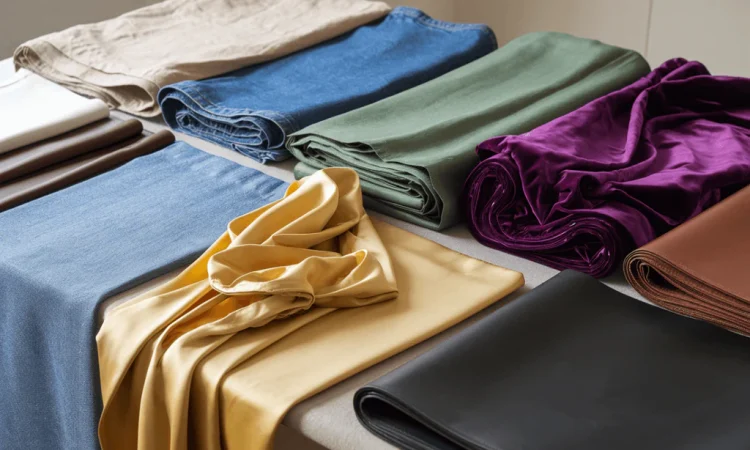
Fabric selection plays a central role in how clothing performs in everyday life. The right fabric improves comfort, durability, appearance, and practicality, while the wrong choice can lead to discomfort and reduced garment lifespan. Understanding fabric properties helps individuals make better decisions when choosing daily clothing that supports both function and style.
Selecting appropriate materials ensures clothing remains suitable for climate conditions, activity levels, and personal preferences.
How Fabric Affects Everyday Comfort
Comfort is one of the most important reasons to pay attention to fabric choice. Clothing stays in contact with the skin for long periods, so the material directly influences how a person feels throughout the day.
Comfort related benefits of suitable fabric include
- Improved breathability during warm weather
- Reduced irritation on sensitive skin
- Better moisture absorption
- Increased ease of movement
Choosing fabrics that match daily routines supports physical comfort and confidence.
Fabric Selection And Climate Adaptation
Weather conditions strongly influence which fabrics work best for everyday clothing. Selecting season appropriate materials helps regulate body temperature and improves overall wellbeing.
Examples include
- Cotton and linen for warm climates because they allow airflow
- Wool for colder environments due to natural insulation
- Blended fabrics for transitional seasons where flexibility is needed
Climate appropriate fabrics help maintain comfort throughout changing temperatures.
Durability And Longevity Of Clothing Materials
Fabric strength determines how long clothing remains usable. Daily wear garments require materials that can withstand repeated washing and regular movement.
Durable fabrics offer advantages such as
- Resistance to tearing and stretching
- Shape retention after multiple washes
- Reduced fading over time
- Lower replacement frequency
Selecting long lasting fabrics reduces both inconvenience and clothing expenses.
The Role Of Fabric In Appearance And Style
Fabric influences how clothing looks when worn. Texture, weight, and structure affect how garments drape and maintain their shape.
Important appearance related fabric qualities include
- Smooth fabrics that create a refined finish
- Structured materials that support formal wear
- Lightweight fabrics that enhance casual clothing
- Textured fabrics that add visual interest
Choosing the right material improves the overall presentation of an outfit.
Breathability And Moisture Control In Daily Wear
Breathable fabrics support body temperature regulation during daily activities. Moisture control is especially important for people with active routines.
Breathable materials help by
- Allowing air circulation around the body
- Reducing sweat buildup
- Preventing discomfort during long working hours
- Supporting freshness throughout the day
These qualities are essential for maintaining comfort in both indoor and outdoor environments.
Fabric Maintenance And Ease Of Care
Daily clothing should be easy to maintain. Some fabrics require less effort to clean and store, making them practical for regular use.
Low maintenance fabrics provide benefits such as
- Quick drying after washing
- Resistance to wrinkles
- Simple ironing requirements
- Long lasting color retention
Selecting easy care fabrics helps simplify everyday clothing routines.
Skin Sensitivity And Fabric Choice
Individuals with sensitive skin benefit from selecting gentle and natural fabrics. Material texture and chemical treatment levels influence how clothing interacts with the skin.
Skin friendly fabric choices often include
- Natural fibers that reduce irritation risk
- Lightweight materials that allow airflow
- Soft textures that prevent friction
Careful selection improves daily comfort and reduces skin related issues.
Sustainability Considerations In Fabric Selection
Fabric choice also affects environmental impact. Many people now consider sustainability when selecting clothing materials.
Sustainable fabric benefits include
- Reduced environmental footprint
- Longer garment usability
- Support for responsible production practices
- Improved awareness of consumption habits
Choosing sustainable fabrics supports both personal responsibility and long term environmental care.
Frequently Asked Questions
How does fabric weight influence daily clothing comfort
Fabric weight affects how warm or breathable clothing feels. Lightweight fabrics are suitable for warm weather, while heavier fabrics provide insulation in cooler conditions.
Why do blended fabrics perform differently from natural fabrics
Blended fabrics combine properties from multiple fibers, often improving durability, stretch, and wrinkle resistance compared to single fiber materials.
Is fabric selection important for people with active lifestyles
Yes. Active individuals benefit from fabrics that provide flexibility, moisture control, and durability during movement.
How can fabric selection affect clothing cost over time
Choosing durable fabrics reduces replacement frequency, which lowers long term clothing expenses.
Are natural fabrics always better than synthetic fabrics
Not always. Natural fabrics provide comfort and breathability, while synthetic fabrics often offer durability and easier maintenance.
Does fabric texture influence clothing suitability for workplaces
Yes. Structured and smooth fabrics often create a more professional appearance compared to highly textured or casual materials.
How can people identify good quality fabric when shopping
Checking fabric thickness, weave consistency, softness, and label information helps determine material quality before purchase.

How Clothing Choices Influence Personal Confidence Levels
Clothing plays a meaningful role in shaping how individuals see themselves and how they are perceived by others. While confidence...

Choosing Your Outfit For A Special Occasion
When you have a special occasion coming up you will attend, you will need to ensure you have a...
Advantages of Organic Baby Clothes
Parents around the world have lately began taking more safeguards for the sake of their babies by utilizing clothes which have been produced organically. This rejection of inorganic and artificial clothes for babies originates about because a lot more parents now know of the dangerous nature of these kinds of clothes than did before. Using the creation of industrial manufacturing during the last couple of centuries approximately, companies have devised numerous strategies to help create clothing around the mass scale. Using these approaches to use, an easy cotton shirt isn't...
Tips about how to Be Comfy in Professional Clothing During Summer time
Summer time is really a season everybody anticipates. It's a season with a lot of outside activities. It's also a period for vibrant colors that switch the dull and dark colors of winter. Summer time season nonetheless features its own challenges. The height of summer time is frequently characterised with scourging heat from the sun that leaves many people desiring cold drinks and awesome atmosphere. It's a time when many people are scantily dressed, in order to allow evaporation water (sweat) using their body, as evaporation results in cooling. The...